Bloat might sound harmless—but for dogs, it can be a life-threatening emergency that strikes suddenly. Also known as gastric dilatation-volvulus (GDV), bloat happens when a dog’s stomach fills with gas, fluid, or food and twists on itself. Without quick treatment, it can cut off blood flow to the stomach and other organs, leading to shock and even death.
The scary part? Bloat can happen to any dog, but large, deep-chested breeds like Great Danes, German Shepherds, and Boxers are especially at risk.
How Bloat Can Happen
One common trigger is letting a dog gulp water too quickly right after intense exercise or play. The sudden intake, combined with heavy panting and swallowing air, can cause the stomach to expand rapidly. Other factors that can contribute include:
- Eating too quickly
- Eating one large meal a day instead of smaller meals
- Vigorous activity right after eating or drinking
- Stress or anxiety during mealtimes
How to Prevent Bloat
While not all cases can be prevented, there are steps you can take to reduce your dog’s risk:
- Control water intake after exercise – Offer small amounts of water at a time until your dog has cooled down.
- Feed smaller, more frequent meals rather than one large meal.
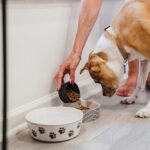
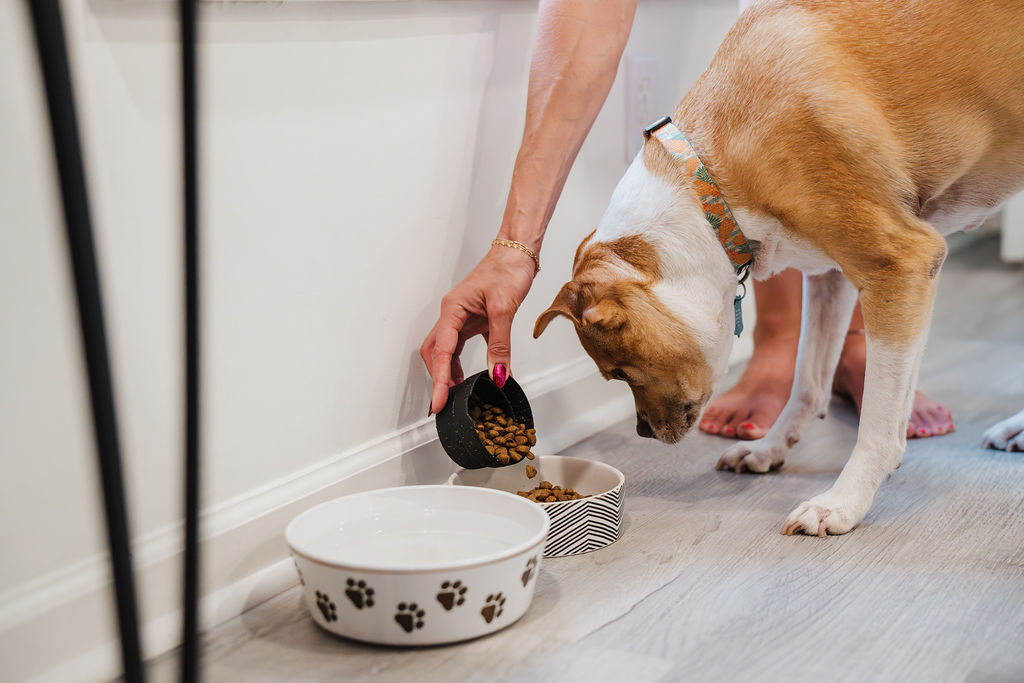
- Use a slow-feeder bowl to prevent gulping food.
- Limit exercise right before and after eating—wait at least an hour before or after meals.
- Know your dog’s risk factors and talk to your vet about preventative options, such as a gastropexy surgery in high-risk breeds.
Warning Signs to Watch For
Bloat can escalate within minutes, so it’s critical to act fast if you notice any of these symptoms:
- Distended or hard belly
- Restlessness or pacing
- Unproductive retching or gagging
- Excessive drooling
- Signs of pain (whining, panting, reluctance to lie down)
- Weakness or collapse
What to Do if You Suspect Bloat
Don’t wait—bloat is a true veterinary emergency. Call your vet or an emergency clinic immediately and let them know you’re on the way. Time is critical; the sooner your dog receives care, the better their chances of survival.
Bloat is something no dog owner ever wants to face, but being aware of the risks, prevention steps, and urgent warning signs can save your dog’s life. A little caution—like controlling water intake after exercise—can make a huge difference in keeping your best friend safe.