We’ve all seen it. That lonely poo pile left behind on the sidewalk or in the grass, waiting for an unsuspecting shoe. While cleaning up after your dog might not be the most glamorous part of pet ownership, it’s one of the most important. And it’s not just about being polite — it’s about protecting the health of people, pets, and the environment.
It’s Common Courtesy
Leaving your dog’s waste behind is the fastest way to irritate your neighbors and give dog owners a bad reputation. Picking it up shows you care about your community and the shared spaces we all enjoy.
Dog Poop is a Health Hazard
Unlike manure from herbivores, dog waste isn’t a natural fertilizer—it’s loaded with bacteria and parasites that can cause serious illnesses in humans and animals, including:
- E. coli
- Salmonella
- Roundworms and hookworms
- Giardia
These pathogens can linger in soil and water long after the waste is gone, putting kids, other pets, and even wildlife at risk.
It Protects Local Waterways
When dog waste is left on the ground, rain can wash it into storm drains, eventually ending up in rivers, lakes, and oceans. This runoff carries bacteria that can contaminate water and harm aquatic life.
It Helps Prevent the Spread of Disease to Other Dogs
Many canine illnesses, from parvovirus to intestinal parasites, are spread through infected feces. Picking up your dog’s waste breaks the cycle and helps keep your neighborhood dogs healthy.
Simple Steps for Responsible Pet Ownership
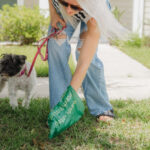
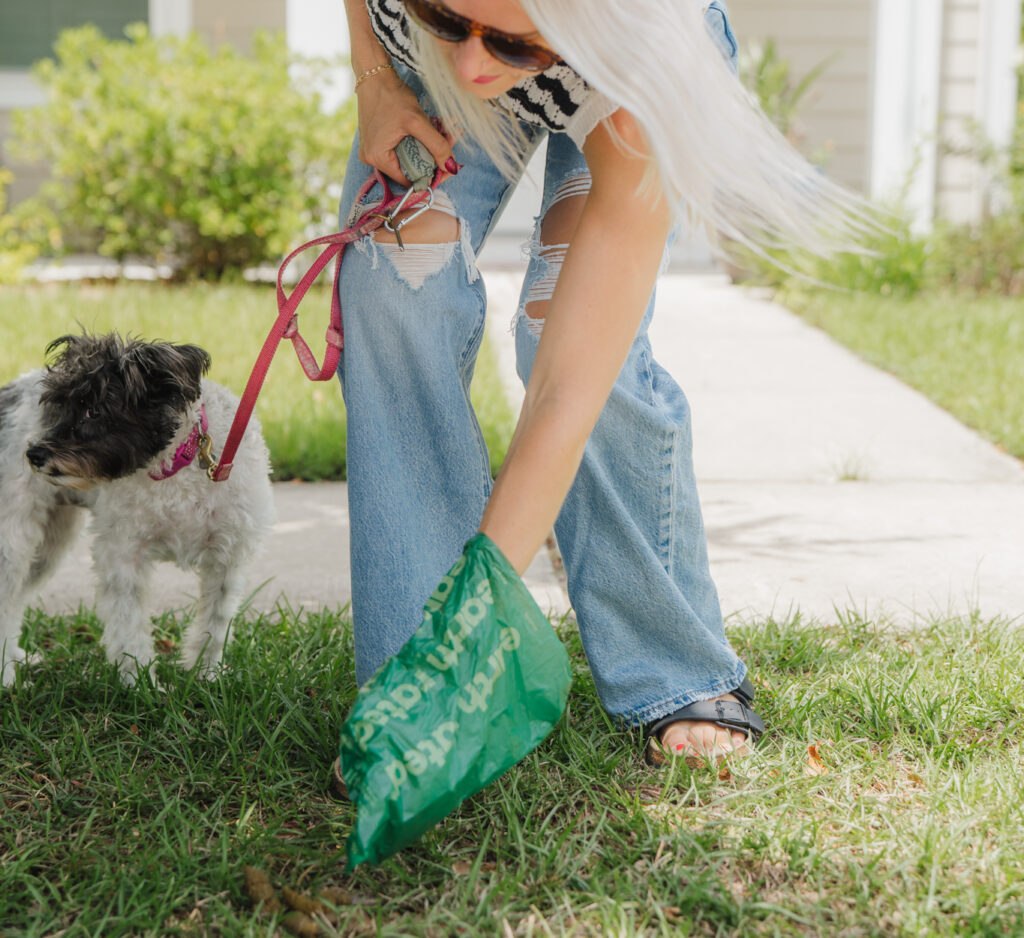
- Always carry bags when walking your dog.
- Dispose of waste in a designated trash bin — never in compost or yard waste.
- If your dog goes in your yard, clean it up daily to prevent bacteria buildup and smells.
The “Bottom” Line
Picking up after your dog might feel like a small act, but it has a big impact. You’re keeping your community clean, protecting public health, preserving the environment, and setting a good example for other pet owners.
A few seconds with a bag in hand can make a world of difference — for your neighbors, your dog, and the planet.